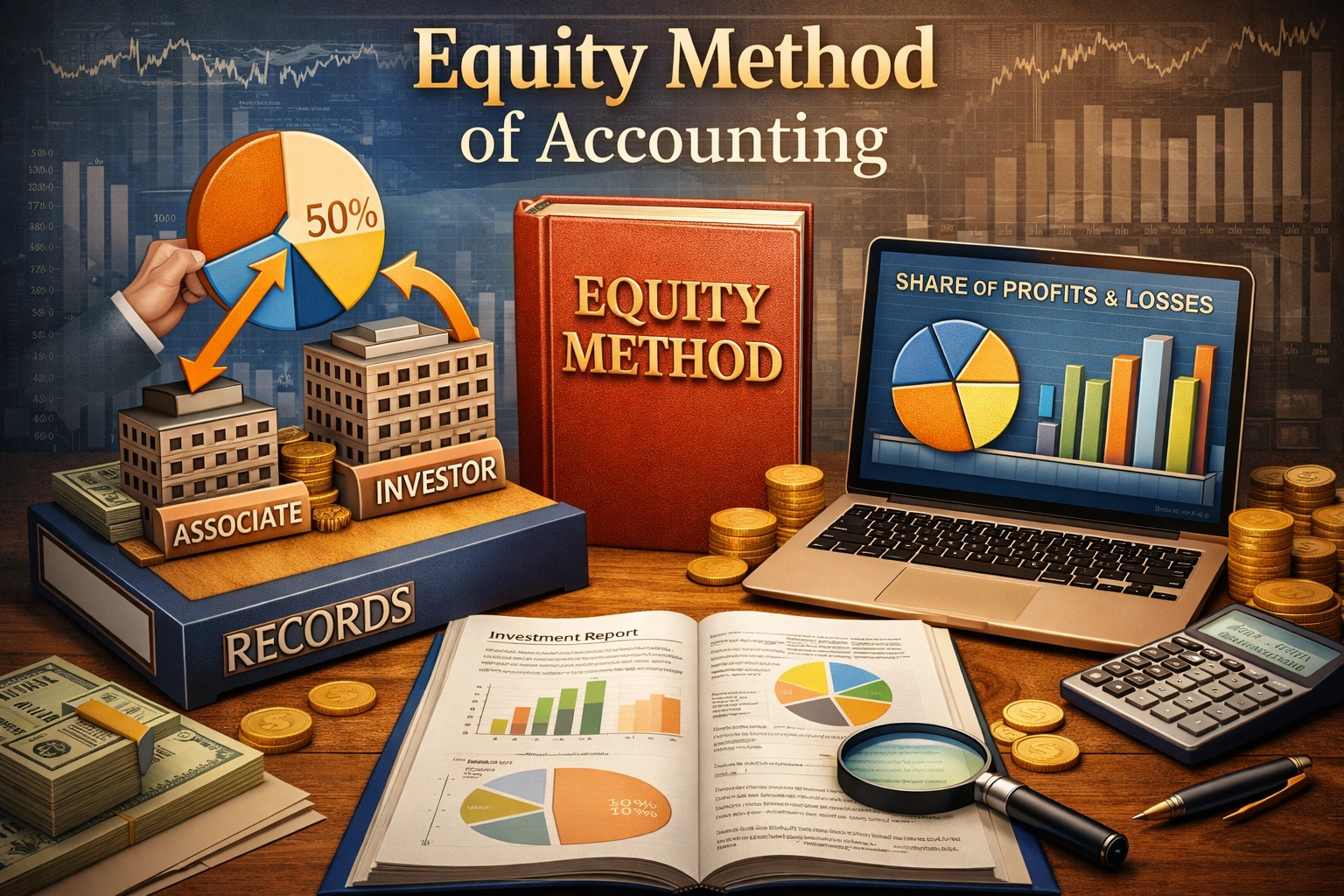
Equity Method of Accounting – IAS 28 and ASC 323

Equity Method of Accounting

Equity Method of Accounting is used when the parent company owns between 20% and 50% of the outstanding shares of the entity (i.e. Associate). It is an accounting technique to CONSOLIDATE financial statements of companies where one company has significant influence over another company. The method allows the Parent company … Read More

FVOCI Vs FVTPL – What’s the Difference? | IFRS 9

FVOCI Vs FVTPL

FVOCI Vs FVTPL are key classification categories under IFRS 9 that determine how Financial Assets are Measured and Reported. While FVOCI (Fair Value Through Other Comprehensive Income) records value changes outside profit or loss, FVTPL (Fair Value Through Profit or Loss) directly ‘impacts earnings‘. Understanding the Difference between FVOCI and … Read More

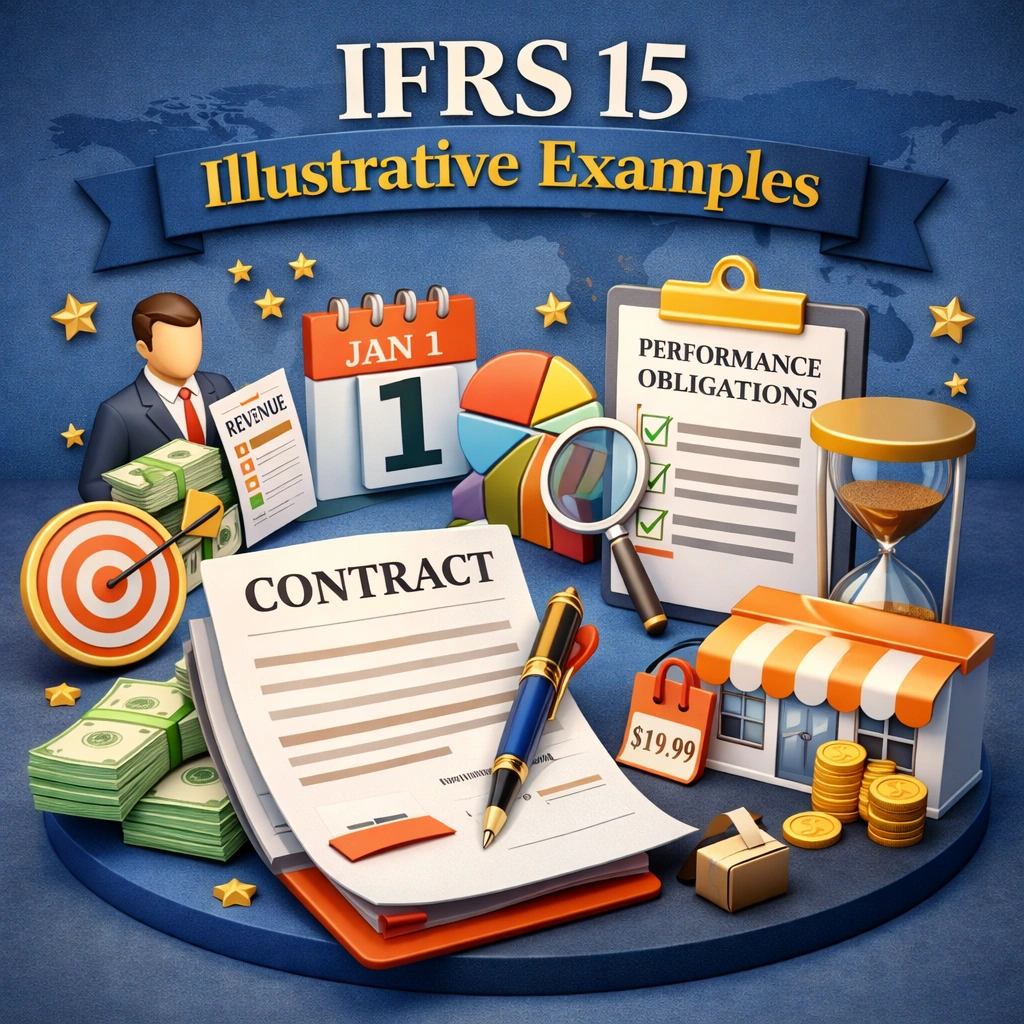
IFRS 15 Illustrative Examples | Revenue from Contracts With Customers In Practice

IFRS 15 Illustrative Examples

IFRS 15 Illustrative Examples help explain how the ‘Revenue Recognition‘ standard is applied in real-world accounting scenarios. These examples demonstrate the practical application of the Five-Step Revenue Recognition Model, making complex concepts easier to understand. By studying IFRS 15 Illustrative Examples, one can learn how to identify performance obligations, allocate … Read More

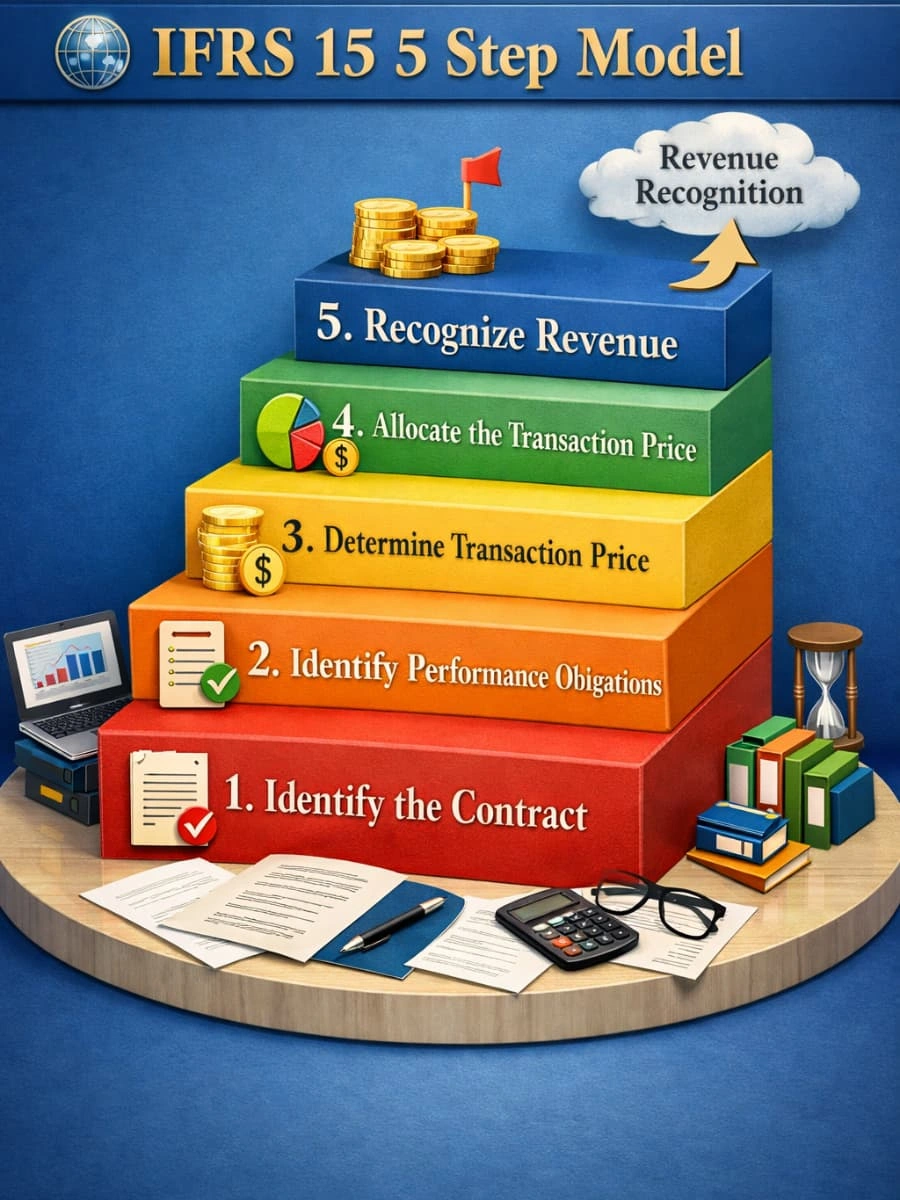
IFRS 15 5 Step Model | Revenue Recognition

IFRS 15 5 Step Model

IFRS 15 5 Step Model provides a structured framework for ‘Recognizing Revenue from Customer Contracts’. It helps businesses identify obligations, determine transaction prices, and recognize revenue accurately and consistently. By following IFRS 15 5 Step Model, companies can Ensure transparent financial reporting and compliance with international accounting standards. IFRS 15 … Read More

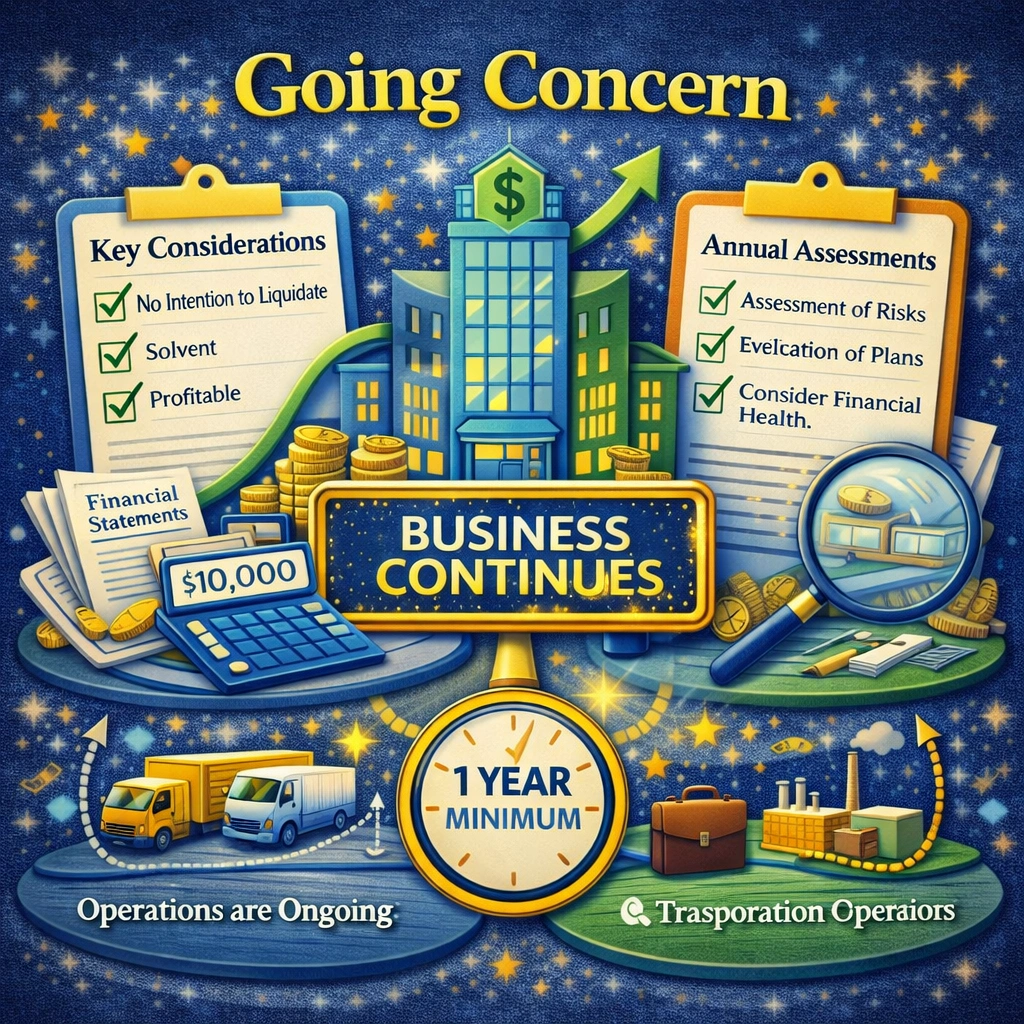
Going Concern Concept – IFRS, GAAP & Audit

Going Concern

The Going Concern Concept ENSURES Financial Statements reflect the assumption that the business will continue to operate in the foreseeable future. It is based on the idea that Co. ‘Financial Statements’ should REFLECT its ability to Meet its obligations and continue operating as a viable business entity. Accounting & Auditing … Read More

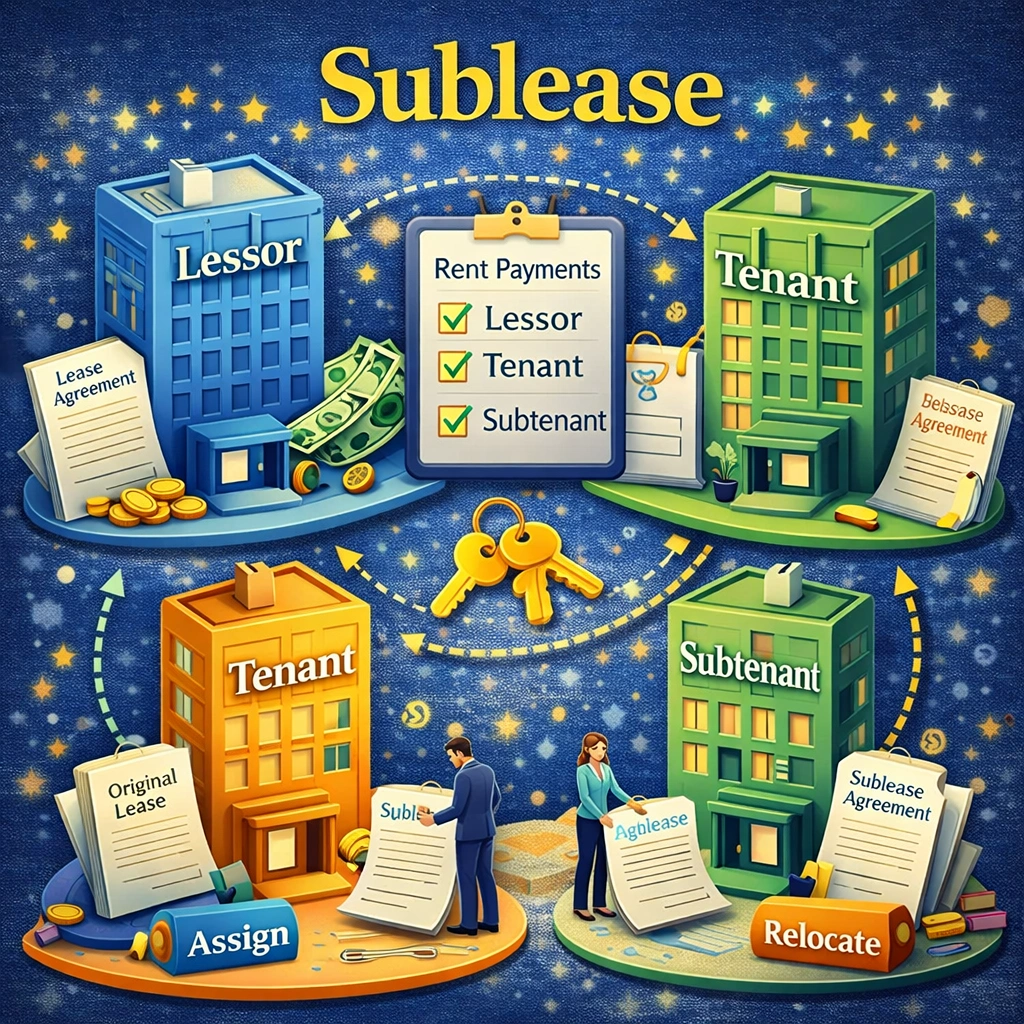
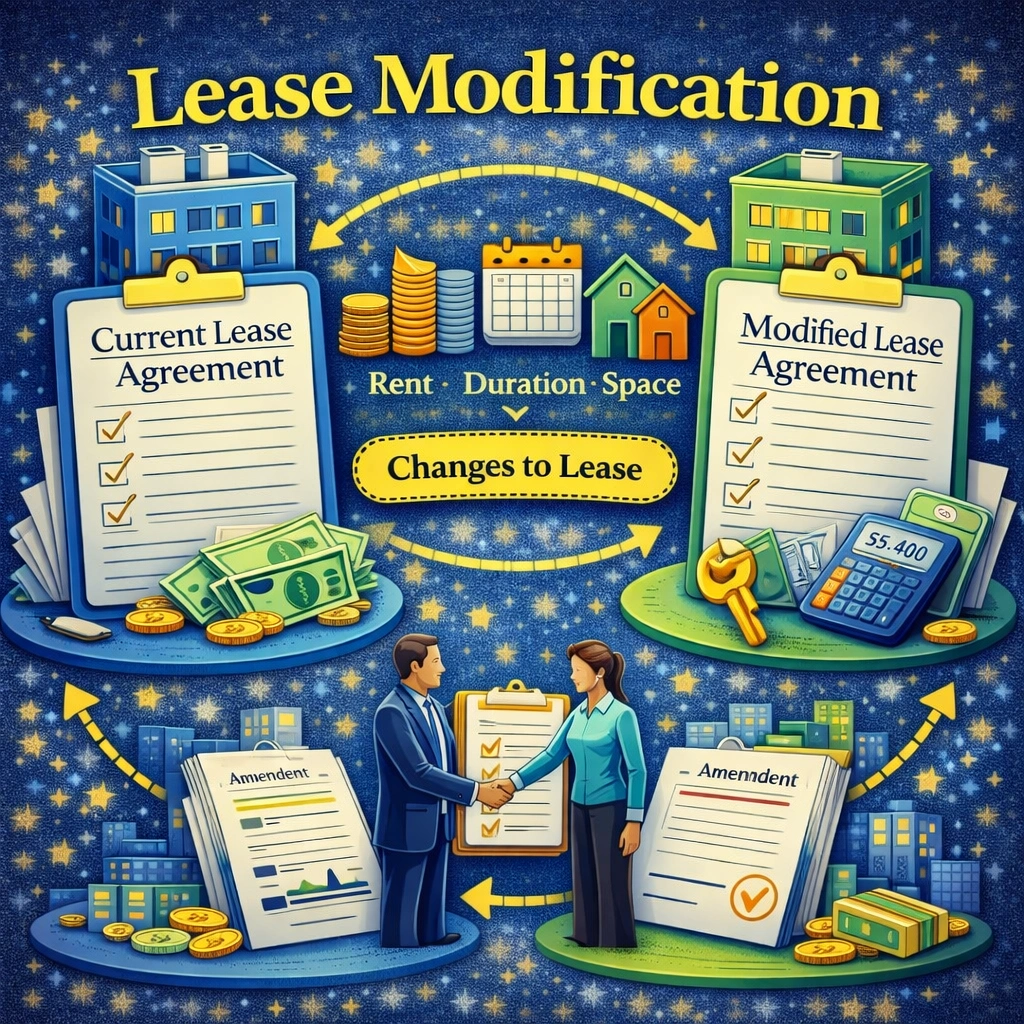
Lease Modification | IFRS 16

Lease Modification

Lease Modification, as per IFRS 16 refers to CHANGES made to the terms and conditions of a lease contract after its inception. These changes can result from negotiations between the LESSOR and the LESSEE or due to changes in laws and regulations. For example, lease modifications include changes in ‘Lease … Read More