Consolidated Vs Unconsolidated Financials: Key Differences | IFRS 10 and IAS 27 Insights

Consolidated Vs Unconsolidated Financials

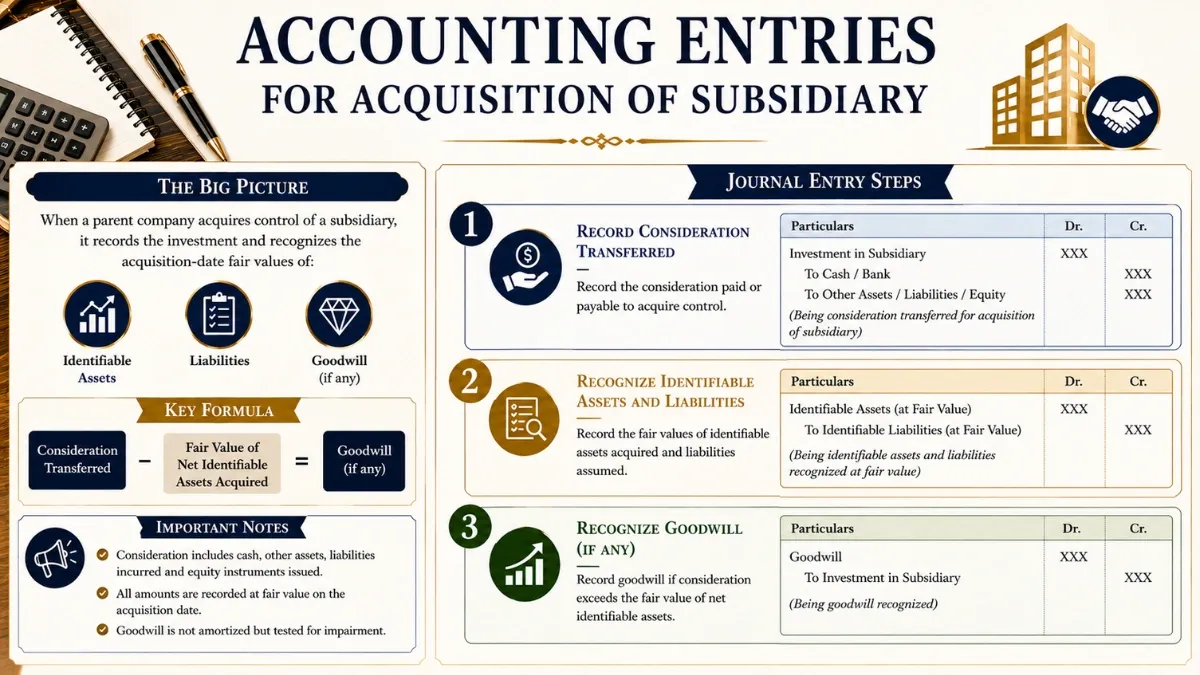
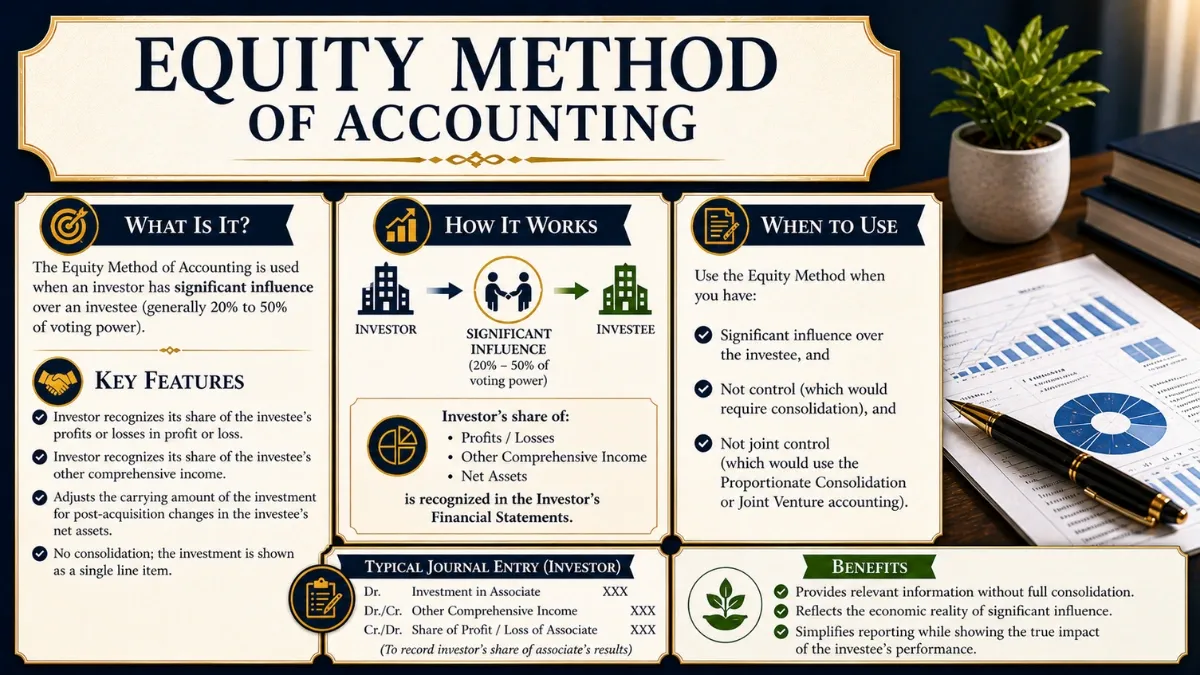
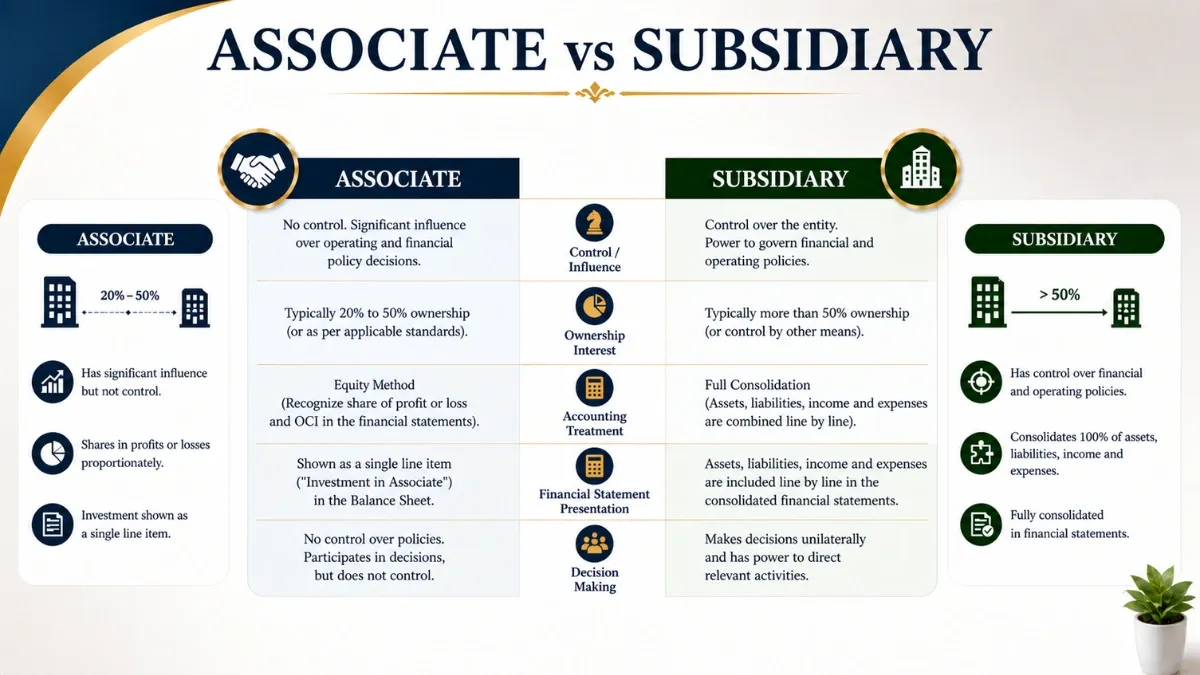
The concept Consolidated Vs Unconsolidated Financials DEPICTS that Consolidated FS reflect the Financial Statements of ‘Parent Company’ and its ‘Subsidiary/(ies)’ as a SINGLE Economic Entity and Unconsolidated FS reflect the Financial Statements of a ‘SINGLE Entity’. Financial Reporting Accounting Standards Corporate Finance Standards IFRS · US GAAP Contents Overview Consolidated … Read More

IAS 36 – Impairment of Assets
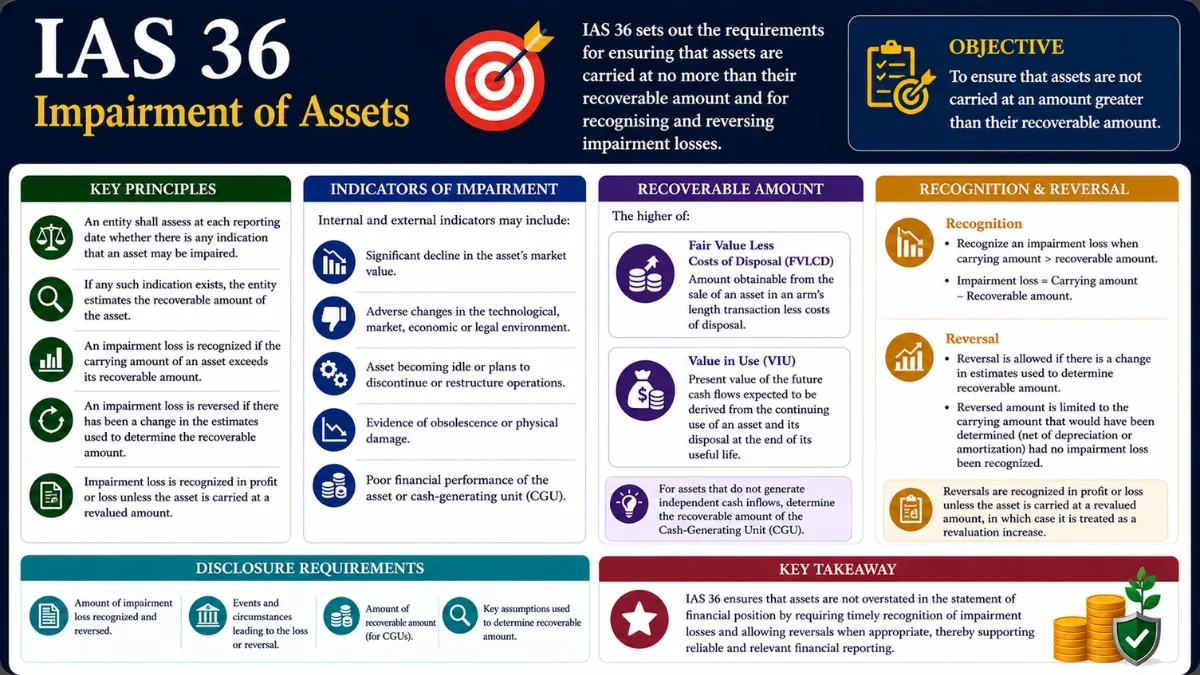
IAS 36

IAS 36 STATES the concept of Impairment of Assets which states that an entity’s assets are NOT carried at more than their recoverable amount (i.e. the higher of fair value LESS costs of disposal and value in use). Overview Scope Indicators Recoverable Amount CGUs & Goodwill Recognition Reversal Disclosures FAQs IFRS … Read More

Provision Vs Contingent Liability: Key Differences | IAS 37

Provision Vs Contingent Liability

The concept Provision Vs Contingent Liability DESCRIBES that ‘Provision‘ is a liability that is recognized in the financial statements when a company has a probable obligation or a present obligation and ‘Contingent Liability‘ is a potential liability that may arise from past events but is uncertain in terms of its … Read More

IFRS 15 Vs ASC 606 – Revenue Recognition: Key Differences

IFRS 15 Vs ASC 606

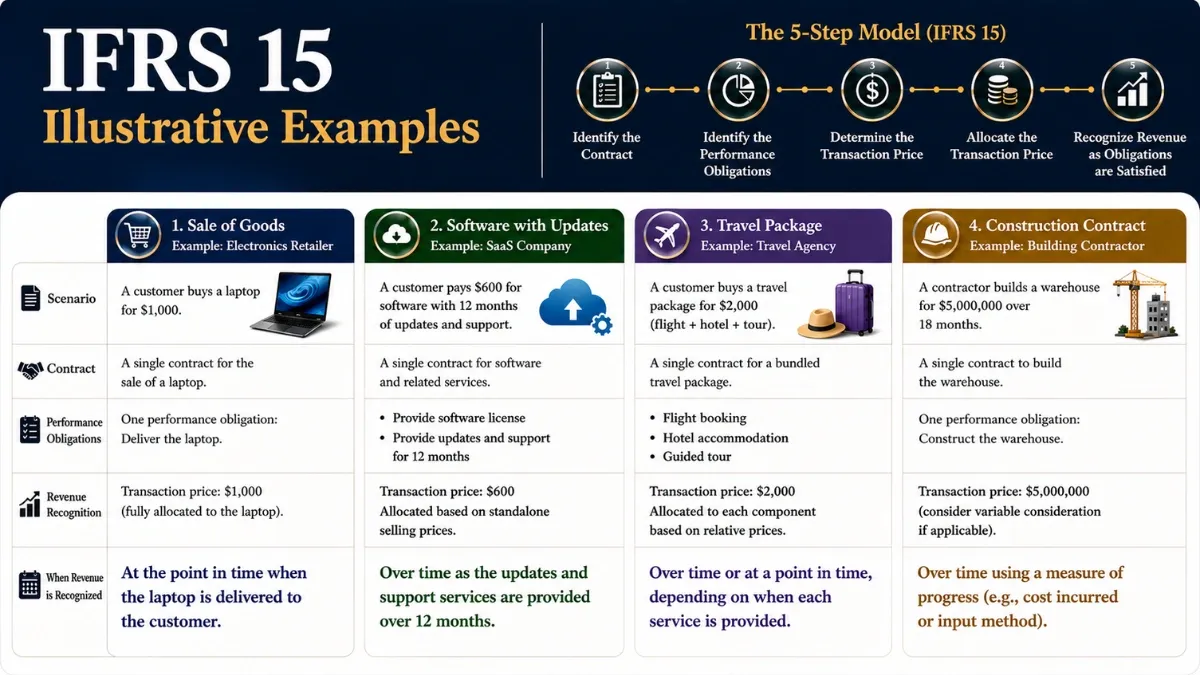
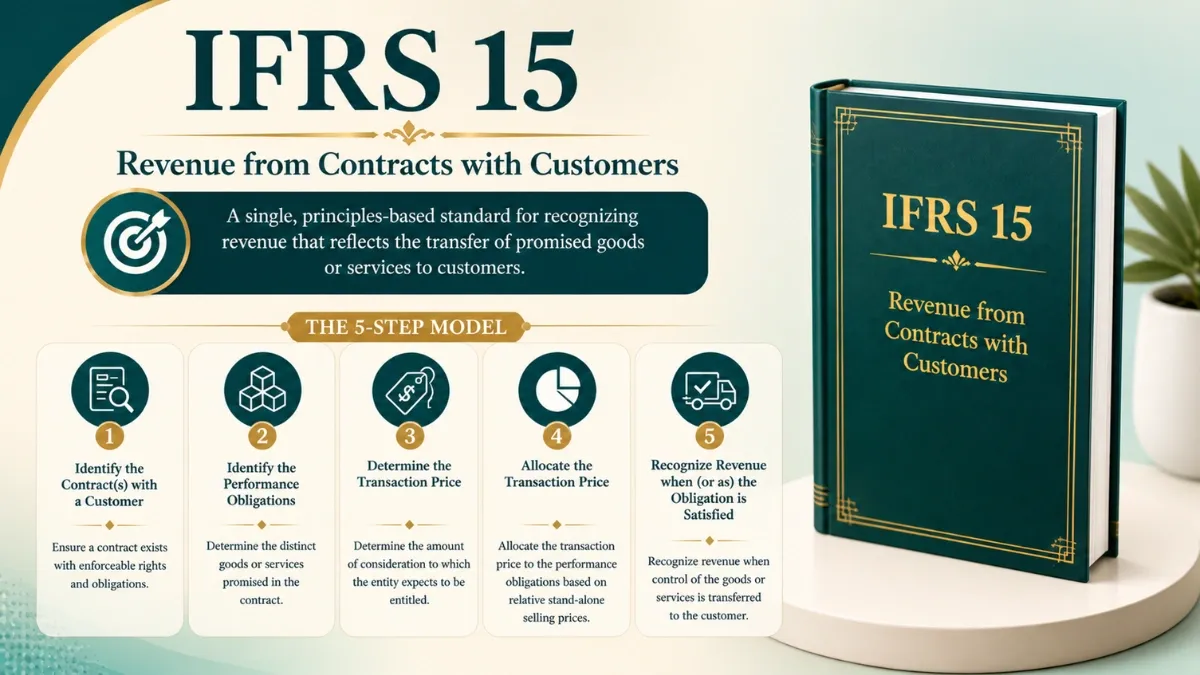
IFRS 15 Vs ASC 606 are the Primary Revenue Recognition standards used globally. While both frameworks follow a similar Five-Step Model for recognizing revenue, subtle differences in application, disclosure, and guidance can affect financial reporting. Understanding the Key Distinctions of the concept IFRS 15 Vs ASC 606 helps businesses ensure … Read More

Going Concern Concept – IFRS, GAAP & Audit

Going Concern

The Going Concern Concept ENSURES Financial Statements reflect the assumption that the business will continue to operate in the foreseeable future. It is based on the idea that Co. ‘Financial Statements’ should REFLECT its ability to Meet its obligations and continue operating as a viable business entity. Accounting & Auditing … Read More

IFRS 18 – Presentation and Disclosure In Financial Statements

IFRS 18

IFRS 18 introduces a New framework for presenting and disclosing information in financial statements, replacing parts of IAS 1. It aims to improve the Clarity, Consistency, and Comparability of ‘Financial Performance Reporting’ across companies. IASB Standard — Issued April 2024 Replaces IAS 1 Effective Date 1 Jan 2027 Early Adoption … Read More

Lease Modification | IFRS 16

Lease Modification

Lease Modification, as per IFRS 16 refers to CHANGES made to the terms and conditions of a lease contract after its inception. These changes can result from negotiations between the LESSOR and the LESSEE or due to changes in laws and regulations. For example, lease modifications include changes in ‘Lease … Read More

IAS 17 Vs IFRS 16 – Leases: Key Differences

IAS 17 Vs IFRS 16

IAS 17 Vs IFRS 16 a concept that relates to LEASING. ´IAS 17´ is the International Accounting Standard (IAS) for leases that was issued by the International Accounting Standards Board (IASB) in 1982, while IFRS 16 is the new leasing standard that was issued by the IASB in 2016. In-Depth … Read More