Strategy Implementation in Strategic Management

Strategy Implementation in Strategic Management

Strategy Implementation in Strategic Management MEANS Implementing the chosen strategies i.e the 3rd Element of ‘Strategic Management’ by Johnson, Scholes and Whittington. Elements of Strategic Management Johnson, Scholes and Whittington STATE that Strategic Management consists of three Elements: Strategy Implementation in Strategic Management – Three Aspects It MEANS Implementing the … Read More

Strategic Choice in Strategic Management

Strategic Choice in Strategic Management

Strategic Choice in Strategic Management STATES Identifying different possible strategies that the entity Might adopt and Making a choice of the preferred strategies i.e 2nd Element of ‘Strategic Management’ by Johnson, Scholes and Whittington. Elements of Strategic Management Johnson, Scholes and Whittington STATE that Strategic Management consists of three Elements: Strategic Choice … Read More

Three Levels of Planning in Management by R N Anthony

Levels of Planning by R N Anthony

The three Levels of Planning in Management by R N Anthony are Strategic, Tactical and Operational. Levels of Planning in Management Planning is a HIERARCHICAL activity, linking strategic planning at the top with detailed operational planning at the bottom. Strategic plans Set a framework and guidelines within which More detailed … Read More

What is the Difference between Assets and Liabilities?

What Is the difference between Assets and Liabilities?

What is the Difference between Assets and Liabilities? a Concept that STATES ‘Assets’ as Economic Resources owned or controlled by an entity to provide future benefits, AND ‘Liabilities’ represent the Obligations or Debts owed by an entity to external parties. Assets (As Per IAS 1) ‘Assets’ are Economic Resources owned … Read More

IAS 1—Going Concern Principle in Accounting

Going Concern Principle

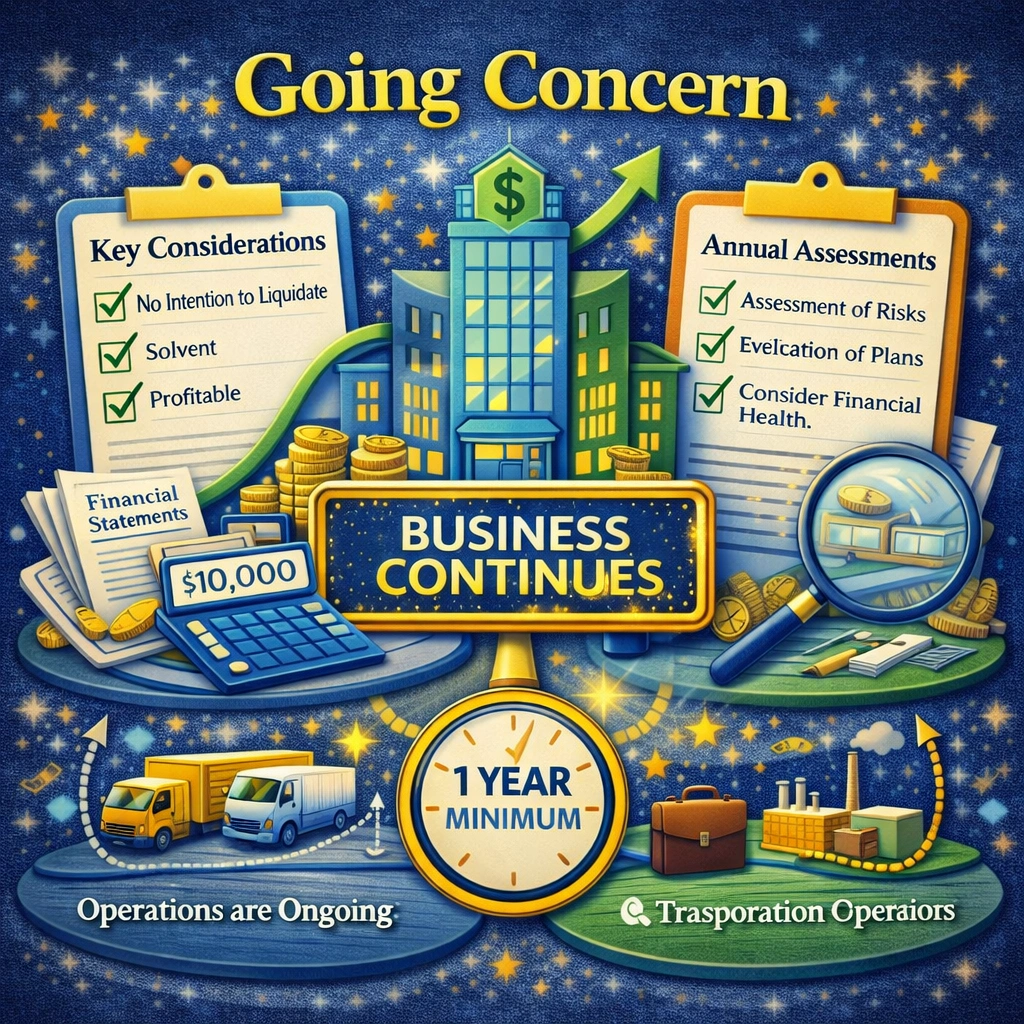
The Going Concern Principle in Accounting ENSURES Financial Statements reflect the assumption that the business will continue to operate in the foreseeable future. It is based on the idea that Co. ‘Financial Statements’ should REFLECT its ability to Meet its obligations and continue operating as a viable business entity. Going … Read More