IFRS 15 5 Step Model of Revenue Recognition with Examples

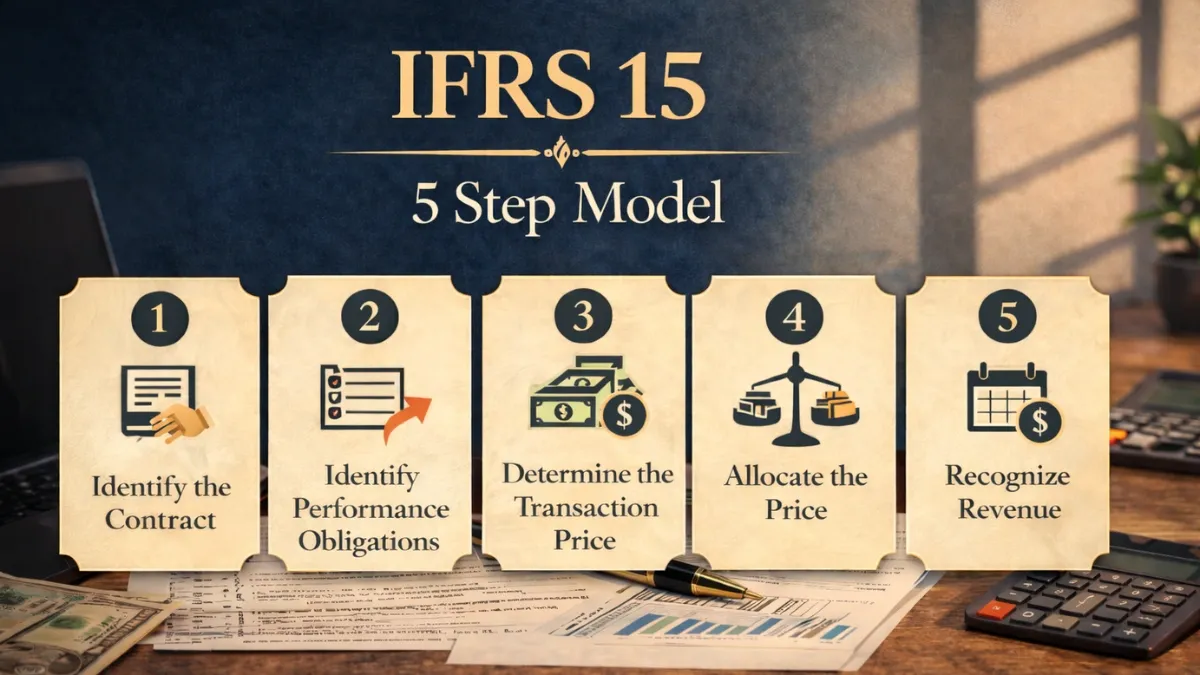
IFRS 15 5 Step Model

IFRS 15 5 step model provides a structured framework for ‘recognizing revenue from customer contracts’. It helps businesses identify obligations, determine transaction prices, and recognize revenue accurately and consistently. Last Updated – November, 2026 IFRS Explained IFRS 15 · Revenue Recognition International Financial Reporting Standard IFRS 15 –The Five‑Step RevenueRecognition … Read More

Cost Model vs Revaluation Model (IAS 16) – Key Differences

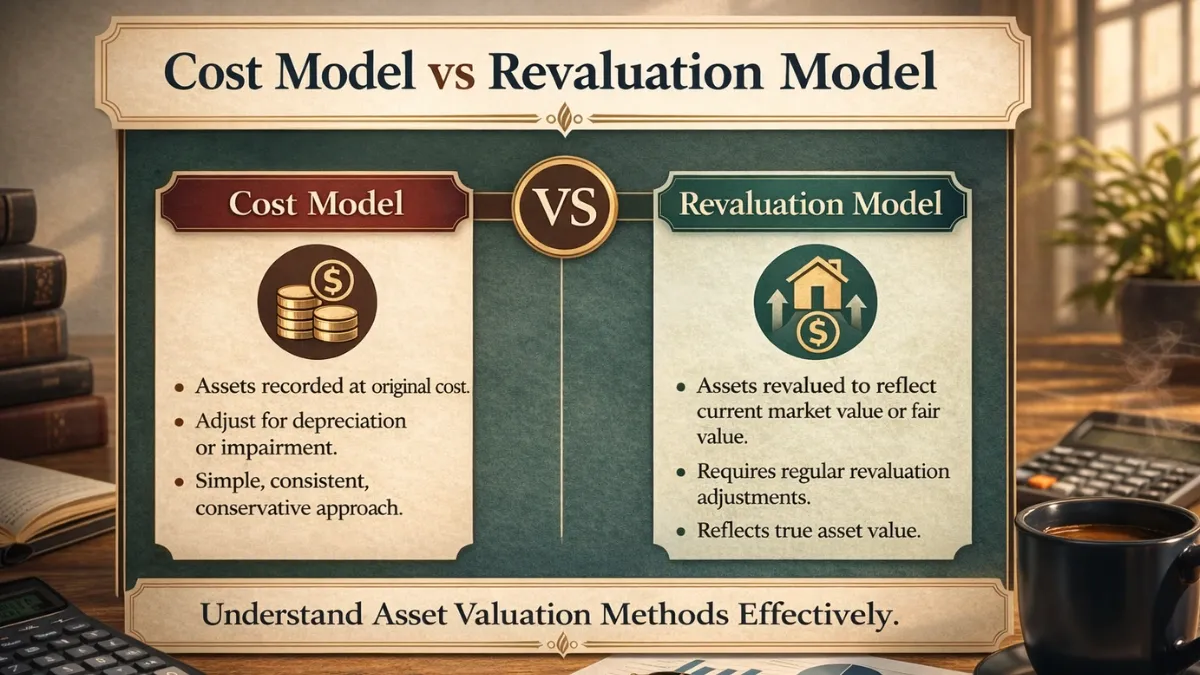
Cost Model vs Revaluation Model

Cost model vs revaluation model are two accounting approaches used under IAS 16 to measure fixed assets after initial recognition. While the ‘cost model’ records assets at historical cost, the ‘revaluation model’ reflects fair value changes over time. Last Updated – April, 2026 IAS 16 · Financial Reporting · IFRS … Read More

IFRS 9 – Financial Instruments

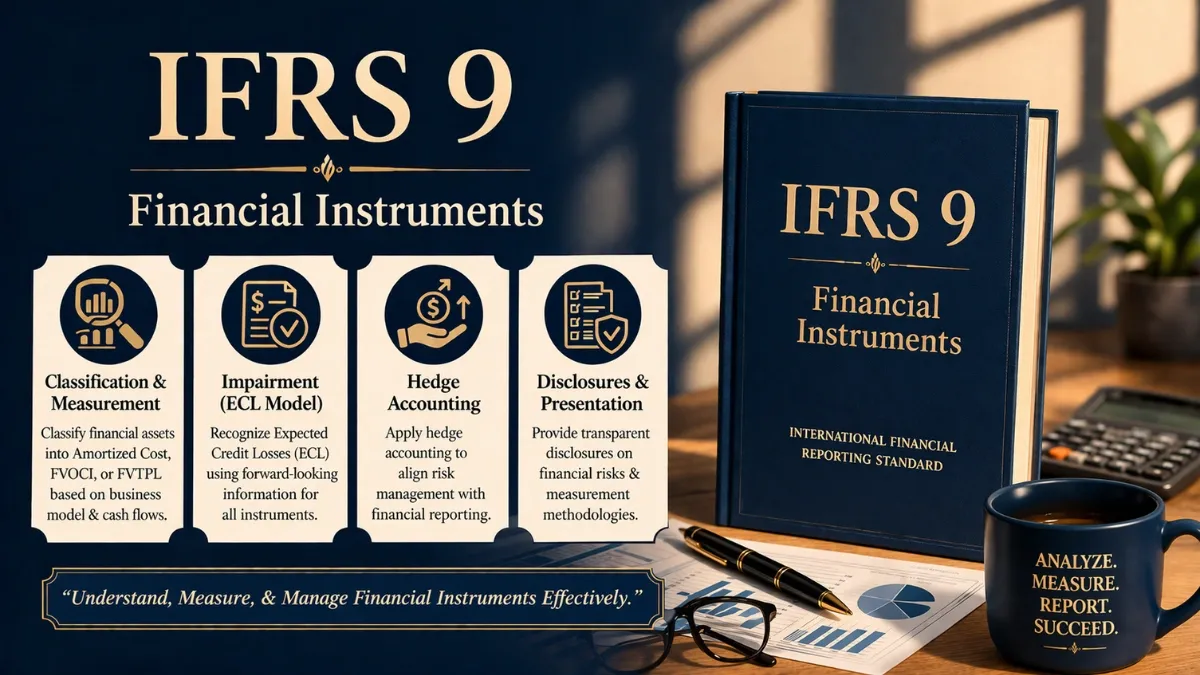
IFRS 9

IFRS 9 – Financial Instruments is a key accounting standard that governs the classification, measurement, and impairment of financial assets and liabilities. It introduces the expected credit loss model, improving how businesses recognize risk and report financial performance. Last Updated – April, 2026 IASB Standard · Effective 2018 StandardIFRS 9 … Read More

IFRS 15 Vs ASC 606 (Revenue Recognition) – Key Differences

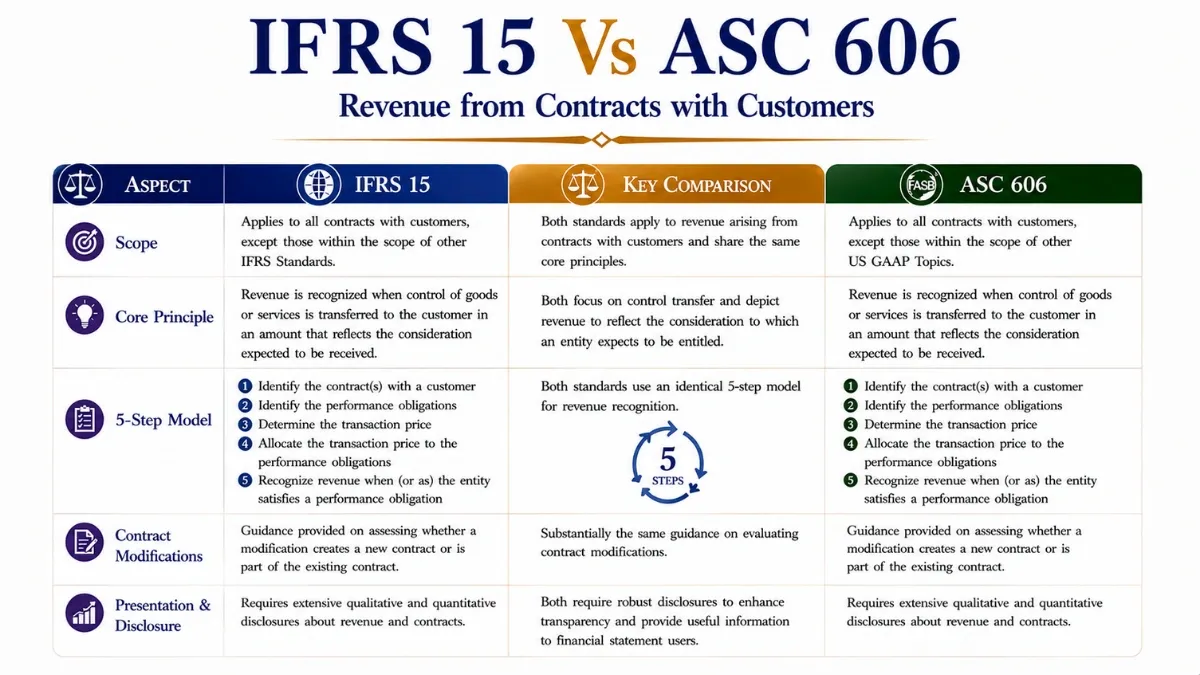
IFRS 15 Vs ASC 606

IFRS 15 Vs ASC 606 are the primary revenue recognition standards used globally. While both frameworks follow a similar five-step model for recognizing revenue, subtle differences in application, disclosure, and guidance can affect financial reporting. Understanding the key distinctions of the concept IFRS 15 Vs ASC 606 helps businesses ensure … Read More

Sublease – Meaning, Pros & Cons, Vs Sublet & IFRS 16 Guide

Sublease

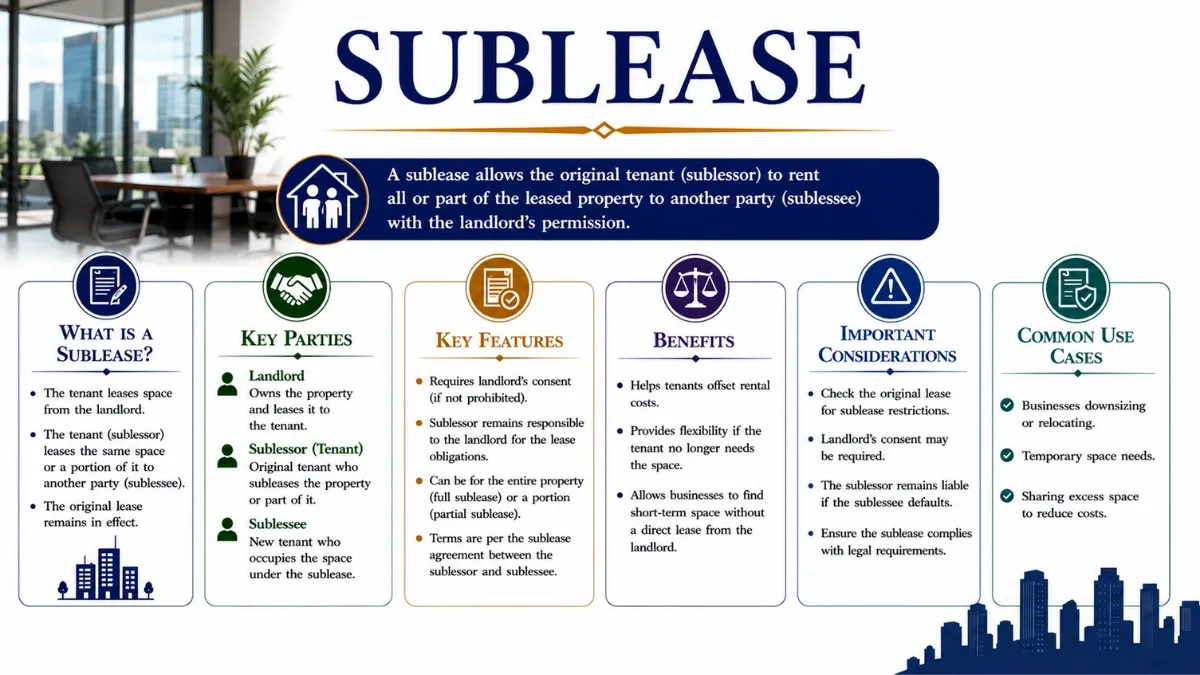
A sublease occurs when a Tenant (the ‘Original Lessee’) rents out all or part of the leased property to another party, known as the Sublessee, while still remaining responsible to the original landlord. The original lease between the landlord and the tenant continues to exist, and the tenant acts as … Read More

Going Concern – GAAP, IFRS, Audit Requirements and Risks

Going Concern

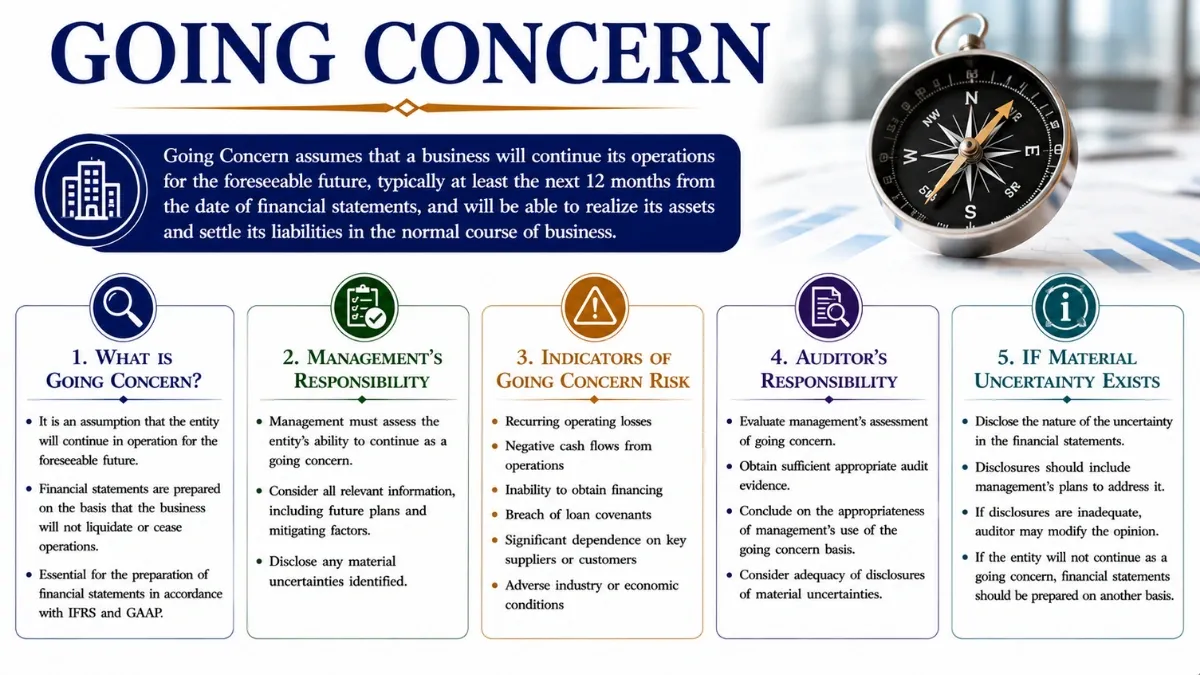
The going concern concept ensures financial statements reflect the assumption that the business will continue to operate in the foreseeable future. It is based on the idea that Co. ‘financial statements’ should reflect its ability to meet its obligations and continue operating as a viable business entity. Last Updated – … Read More

IFRS 18 – Presentation and Disclosure in Financial Statements

IFRS 18

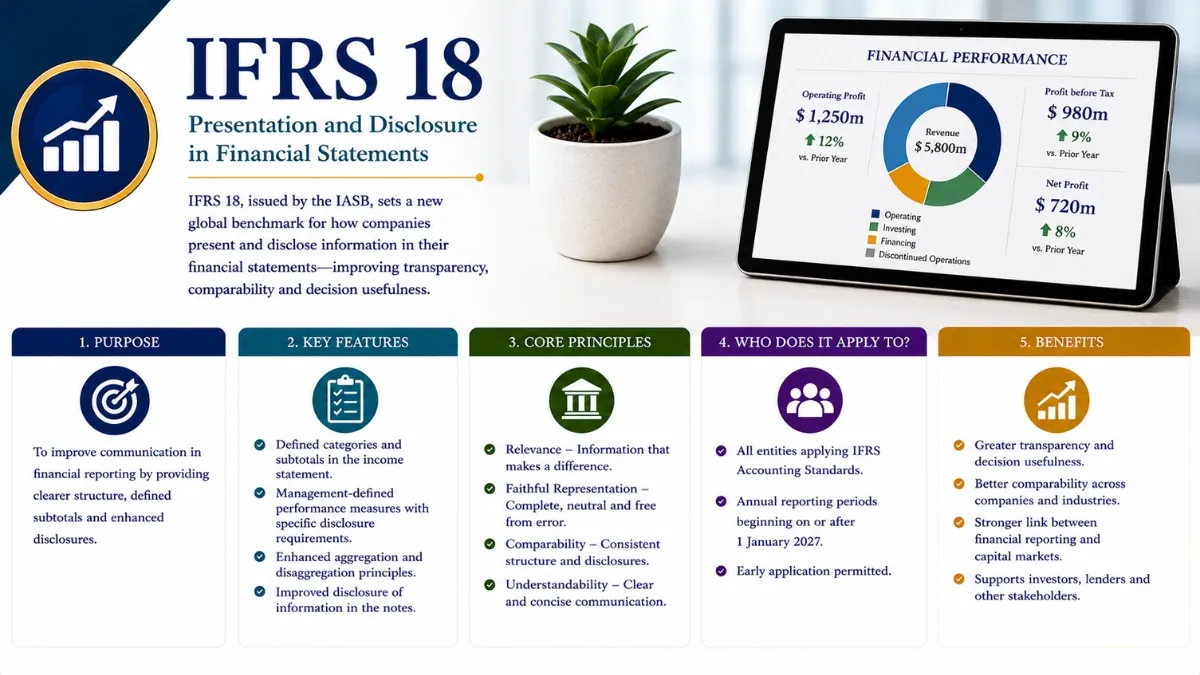
IFRS 18 – Presentation and Disclosure in Financial Statements introduces a new framework for presenting and disclosing information in financial statements, replacing parts of IAS 1. It aims to improve the clarity, consistency, and comparability of ‘financial performance reporting’ across companies. Last Updated – November, 2026 IASB Standard – Issued … Read More

Lease Modification Accounting with Examples (IFRS 16)

Lease Modification

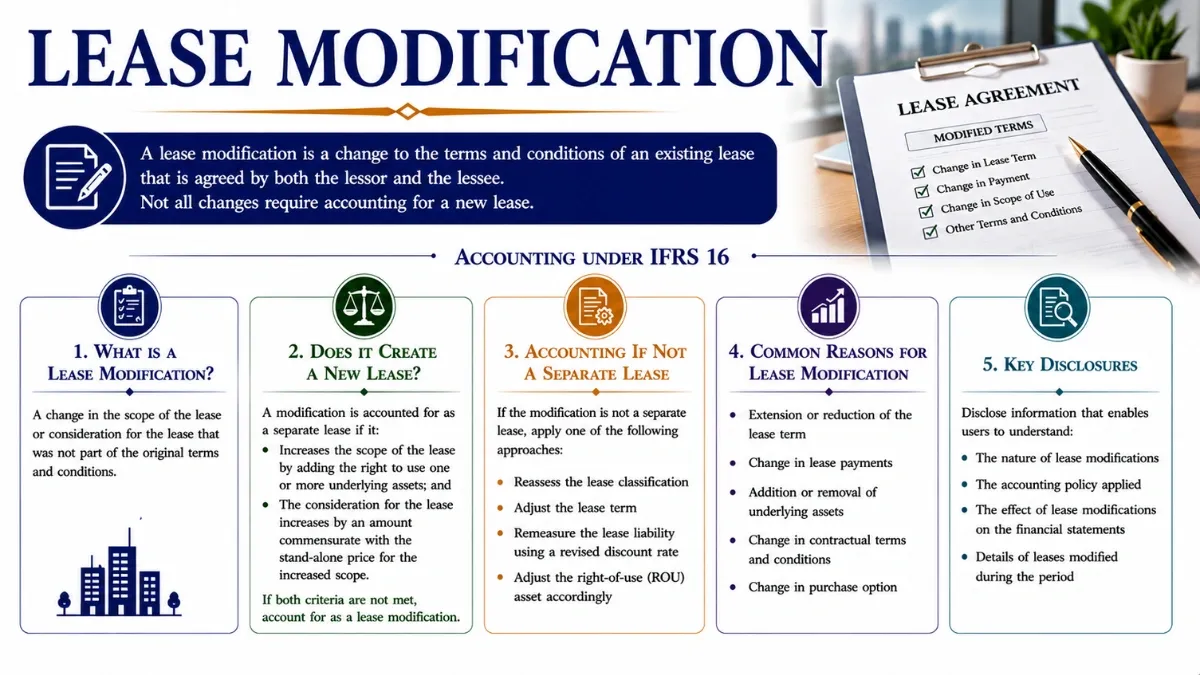
Lease modification as per IFRS 16 refers to changes made to the terms and conditions of a lease contract after its inception. These changes can result from negotiations between the lessor and the lessee or due to changes in laws and regulations. For example, lease modifications include changes in ‘Lease … Read More

IFRS 2 Cash Settled Share-based Payments with Example

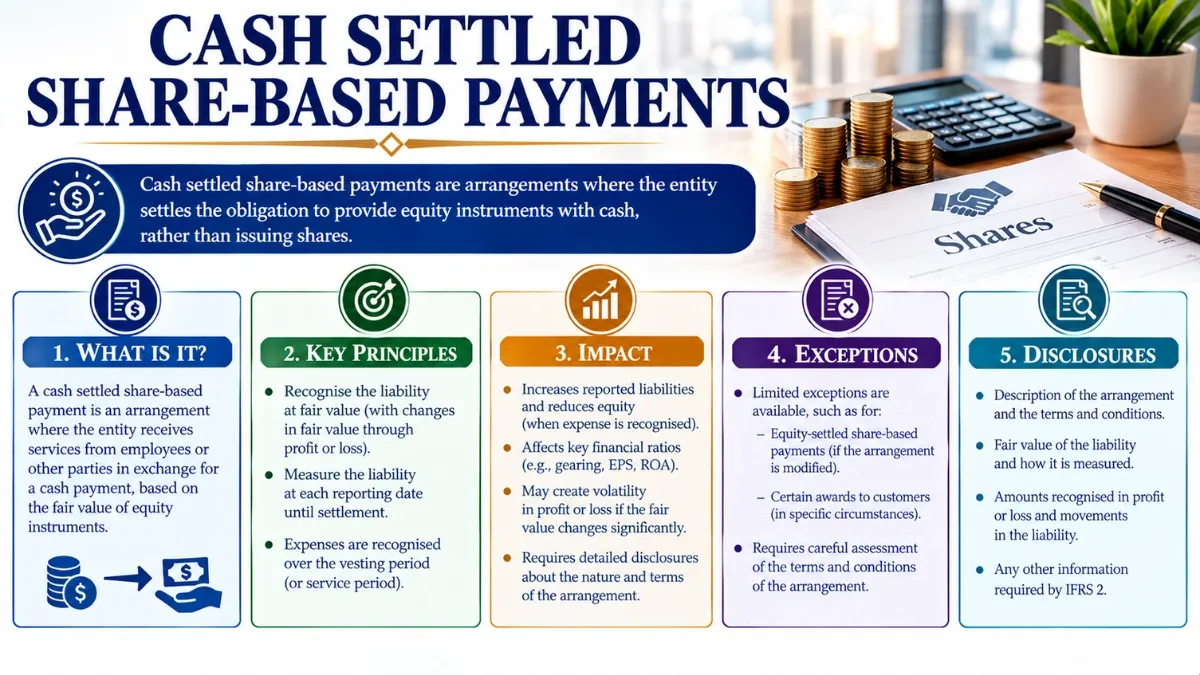
Cash Settled Share-based Payments

Cash settled share-based payments include the transactions in which the entity acquires goods or services by incurring liability to transfer cash or other assets to the supplier of those goods or services for amounts that are based on the price (or value) of ‘equity instruments’ (including shares or share options) … Read More